Lucky Clover Green Script: A Designer's Field Test
As someone who spends more time at the hoop than away from it, I approach every new machine embroidery design with a healthy dose of skepticism. We have all been there: you download a file that looks crisp on the screen, only to find it turns into a bird's nest of thread once the needle hits the fabric. That is why I took a close look at the Lucky Clover Green Script Design before committing it to any client projects or personal handmade products. This isn't just about whether it looks cute; it is about whether it survives the rigors of real-world stitching and washing.
First Impressions and Visual Personality
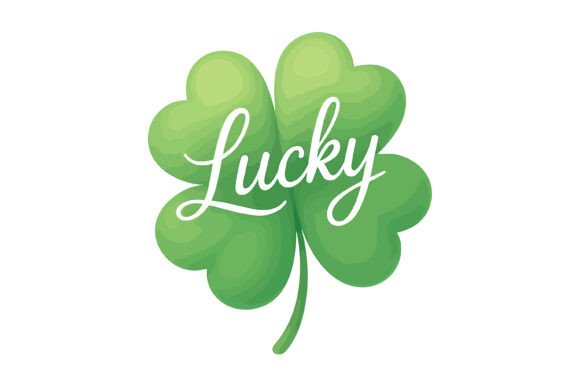
When I first pulled up the files for the Lucky Clover Green Script Design, the immediate vibe was one of classic Irish charm mixed with modern typography. The combination of the shamrock motif with flowing script creates a mood that feels both festive and elegant. It avoids the cartoonish trap that many holiday-themed graphics fall into. Instead, it offers a sophistication that works well beyond just March 17th. For an Etsy seller or a boutique owner, this versatility is gold. You are not limited to a two-week sales window; this aesthetic fits spring collections, nursery decor, and even wedding gifts for couples with Irish heritage.
The layout balances the organic shape of the clover with the linear flow of the text. In terms of visual personality, it feels friendly but polished. When evaluating T-Shirt Designs and Graphics for commercial use, I always ask myself if the design has enough presence to stand out on a garment without looking cluttered. This design passes that test. The script appears legible, and the clover acts as a perfect anchor point, drawing the eye immediately.
Real-World Application: The Tote Bag Test
To truly gauge the quality of this embroidery file, I decided to run a practical test. I chose a canvas tote bag as my substrate. Tote bags are a staple for small shop products, but they can be tricky due to the weave of the fabric. My goal was to create a reusable grocery bag that felt like a high-end boutique item rather than a cheap promotional giveaway.
I started by hooping a heavy-weight cutaway stabilizer beneath the canvas. This is non-negotiable for textured fabrics. As the machine began stitching, I watched the needle work closely. The transition from the solid fill of the shamrock to the finer lines of the script was smooth. There was no noticeable puckering, which is often the downfall of script-heavy designs. Once the stitching was complete and the hoop was removed, the finished product looked professional. The green thread popped beautifully against the natural canvas, creating a fresh, spring-like appeal.
This specific application highlights where the Lucky Clover Green Script Design shines: custom apparel and accessories that need a touch of personality. Whether it is a sweatshirt embroidery project for a cozy weekend wear line or a personalized gift for a friend, the design holds its shape well. It does not feel like a digital afterthought; it feels like it was meant to be stitched.
Navigating Fabric Challenges and Stitch Density
However, no design is perfect for every situation, and honest review requires pointing out where caution is needed. While the Lucky Clover Green Script Design performed well on stable canvas, I would advise care when using it on stretchy knits or very thin fabrics. Script fonts, by nature, rely on continuous lines that can distort if the fabric shifts during washing. If you are planning a baby embroidery project on a onesie, you must use a robust stabilizer strategy, perhaps even topping the design with water-soluble film to prevent the stitches from sinking into the fleece or jersey knit.
Another consideration is the stitch density. While the exact count isn't listed in the standard product details, the visual weight suggests a moderate density. On dark fabrics, you might need to adjust your thread choices. A standard green might get lost against a forest green hoodie. In those cases, I recommend testing a contrasting thread color, like gold or cream, to ensure the typography remains readable. Always test your design on scrap fabric first. This simple step saves hours of frustration and protects your reputation as a maker.
Curved surfaces present another challenge. If you are attempting this on a cap or a structured hat, the script portion might struggle to lay flat depending on the curvature of the front panel. For embroidered patch creation, this design is excellent because you can control the backing entirely. But for direct-to-garment stitching on curved seams, proceed with a smaller hoop size test to ensure the alignment stays true.
Commercial Viability and Brand Consistency
For those running a craft business, the value of a design lies in its ability to elevate brand perception. The Lucky Clover Green Script Design adds a layer of professionalism to your offerings. Customers trust handmade items that look precise and intentional. Sloppy lettering or distorted shapes can undermine that trust instantly. Because this design maintains clarity in its lines, it supports a high perceived value. You can confidently price your personalized gift items higher when the execution looks this clean.
Furthermore, the file formats provided—SVG, PDF, JPEG, PNG, EPS, and AI—offer flexibility beyond just the embroidery machine. As a designer, I appreciate being able to use the vector files for printable mockups or social media previews before I even stitch a single thread. This allows you to market your holiday embroidery collection effectively. You can show customers exactly what the custom apparel will look like, increasing buyer engagement and reducing hesitation.
Final Verdict and Practical Notes
In conclusion, the Lucky Clover Green Script Design is a strong contender for your digital library. It bridges the gap between seasonal novelty and timeless style. However, success depends on your preparation. Here are my final notes for anyone ready to use this asset:
- Check Licensing: Before selling finished items or digital products, confirm the specific license terms included with your purchase. Commercial rights vary by seller.
- Thread Contrast: Don't assume green on green works. Test high-contrast combinations for better visibility.
- Stabilizer Matters: Match your stabilizer to your fabric weight. Textured fabrics need more support.
- Small Details: Inspect the tiny corners of the shamrock and the ends of the script letters after stitching to ensure they are secure.
- Mockup Testing: Use the included PNG transparent files to visualize the design on different garment colors before committing to production.
Whether you are decorating tea towels, creating nursery decor, or launching a new line of small shop product merchandise, this design offers the reliability and aesthetic appeal that serious makers demand. Just remember, the best design assets are only as good as the technique behind them. Stitch smart, test often, and let the quality of your work speak for itself.